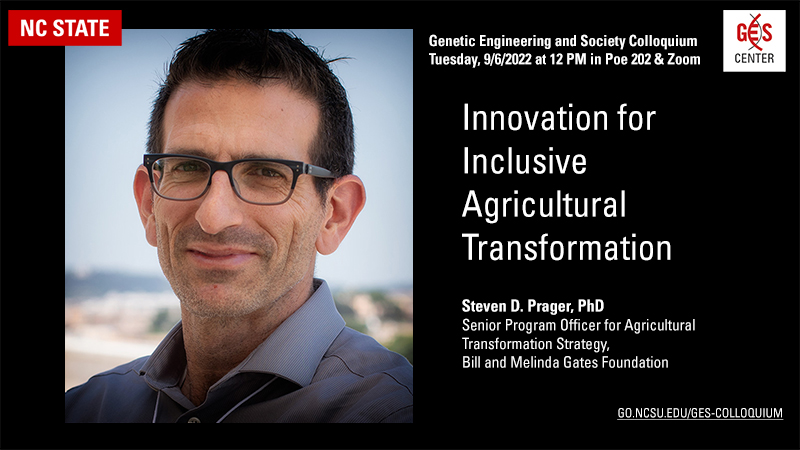
Steven Prager – Innovation for Inclusive Agricultural Transformation | GES Colloquium
Understanding inclusive agricultural transformation through the lenses of climate adaptation and labor productivity.
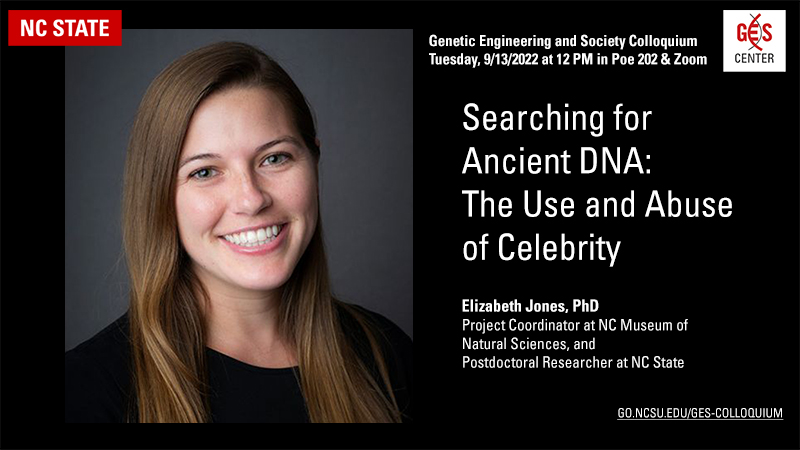
Ancient DNA research has a short but sensational history, especially as the birth of the field coincided with the Jurassic Park craze. Find out how celebrity helped shape the science for better or for worse.
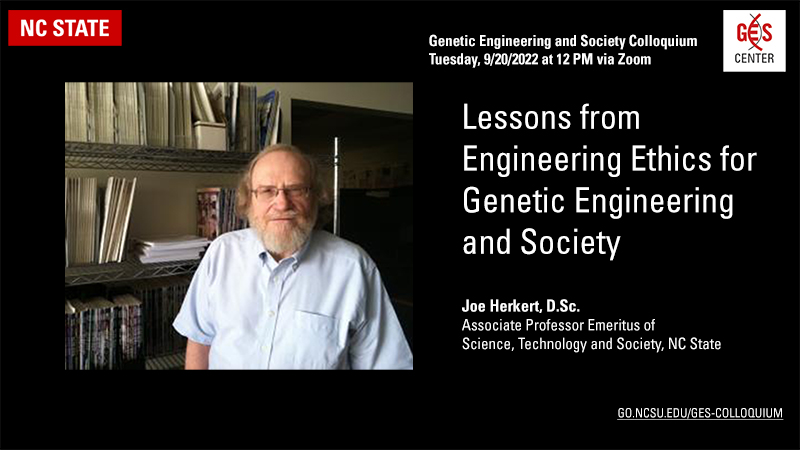
ZOOM MEETING: A discussion of key concepts of engineering ethics scholarship and teaching that might be useful in thinking about ethics in the context of genetic engineering and society.
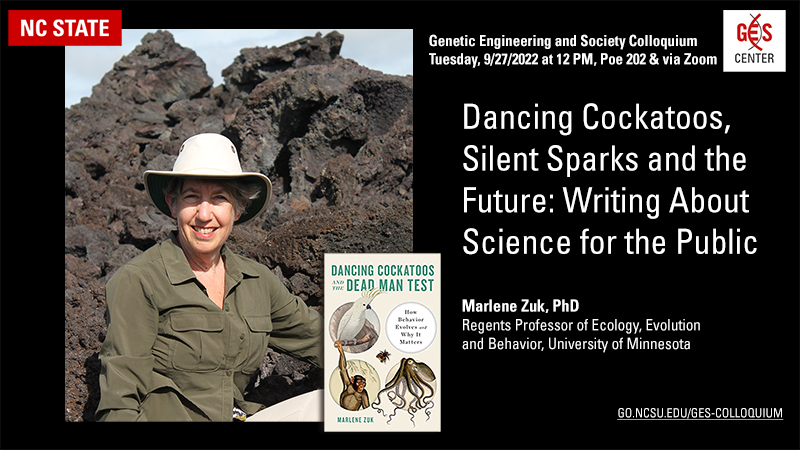
Writing about science for the public is fun, and hard, and requires some skills you may not regularly use as a scientist.
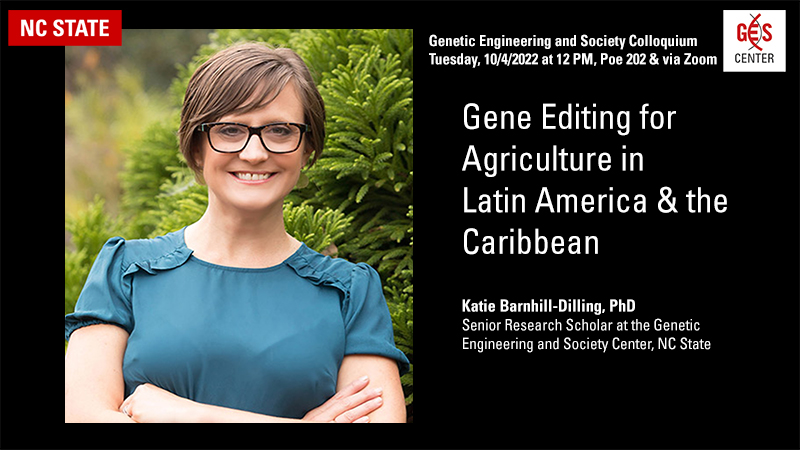
A broad overview of the GES Center project (funded by the InterAmerican Development Bank) that has explored the relevant policy and capacity for developing gene edited crops in Latin America and the Caribbean.
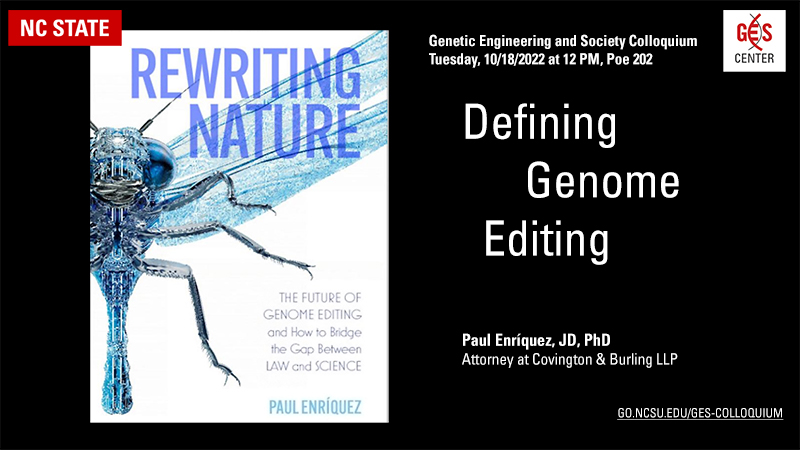
This talk explores the fundamental question of what genome editing is and ought to mean.
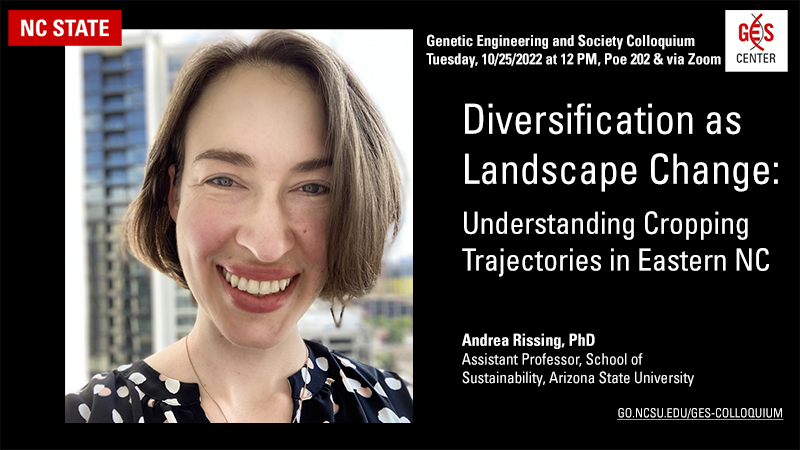
Preliminary findings from mixed-methods research that investigated why one county in Eastern North Carolina is trending strongly towards diversified cropping systems while its neighboring county is rapidly simplifying.
This Colloquium is dedicated to reviewing the recent Executive Order on Advancing Biotechnology and Biomanufacturing Innovation released on September 12, 2022.
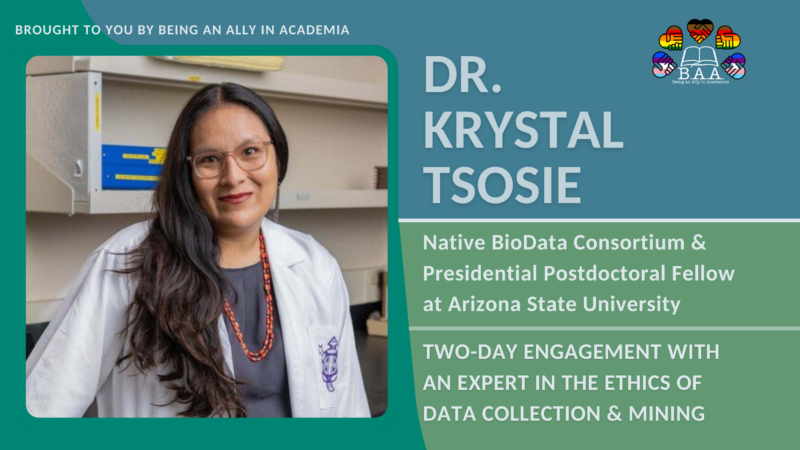
Dr. Krystal Tsosie, Native BioData Consortium and Presidential Postdoctoral Fellow at Arizona State University. Presented by: Being an Ally in Academics (BAA), together with the Genetics & Genomics Academy (GGA), GES Center, and TriCem.
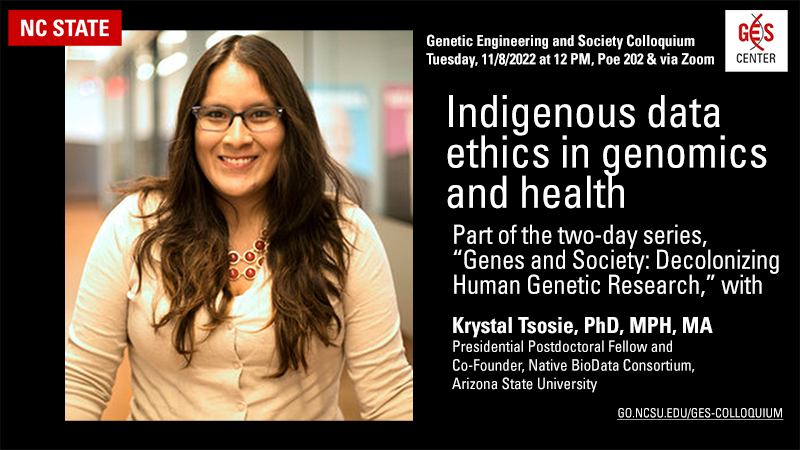
Dr. Krystal Tsosie, Native BioData Consortium and Presidential Postdoctoral Fellow at Arizona State University. Our DNA, our data, our health, our rights: thinking beyond mere inclusion in genomics datasets and thinking about equity and Indigenous data sovereignty.
What drives polarization on contested issues like GMOs? We'll discuss one potentially surprising factor.
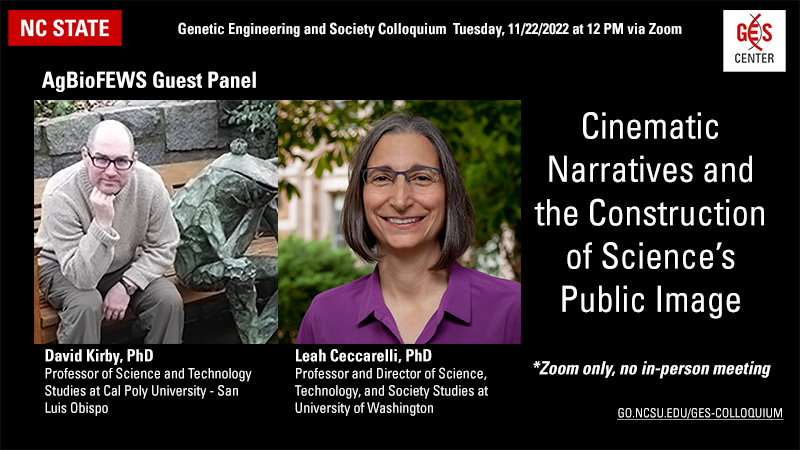
Drawing on perspectives from rhetorical criticism and media studies, Drs. Leah Ceccarelli and David Kirby discuss the role of popular science-fiction films in shaping public perception of scientists and emerging biotechnologies.