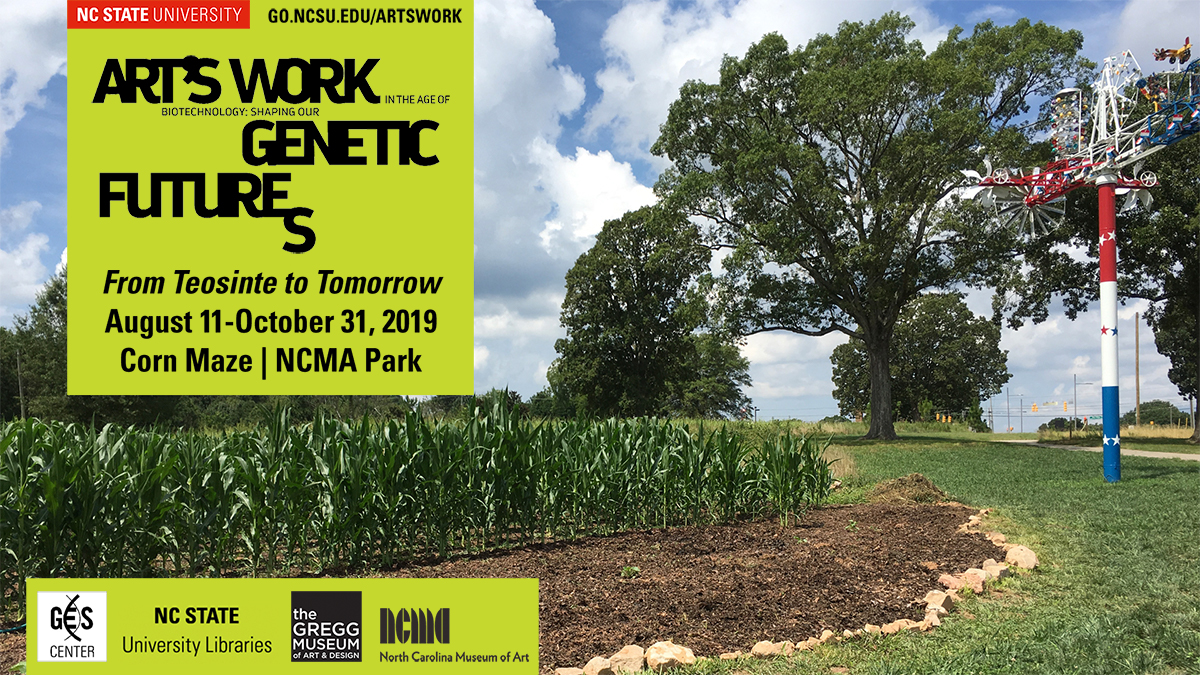
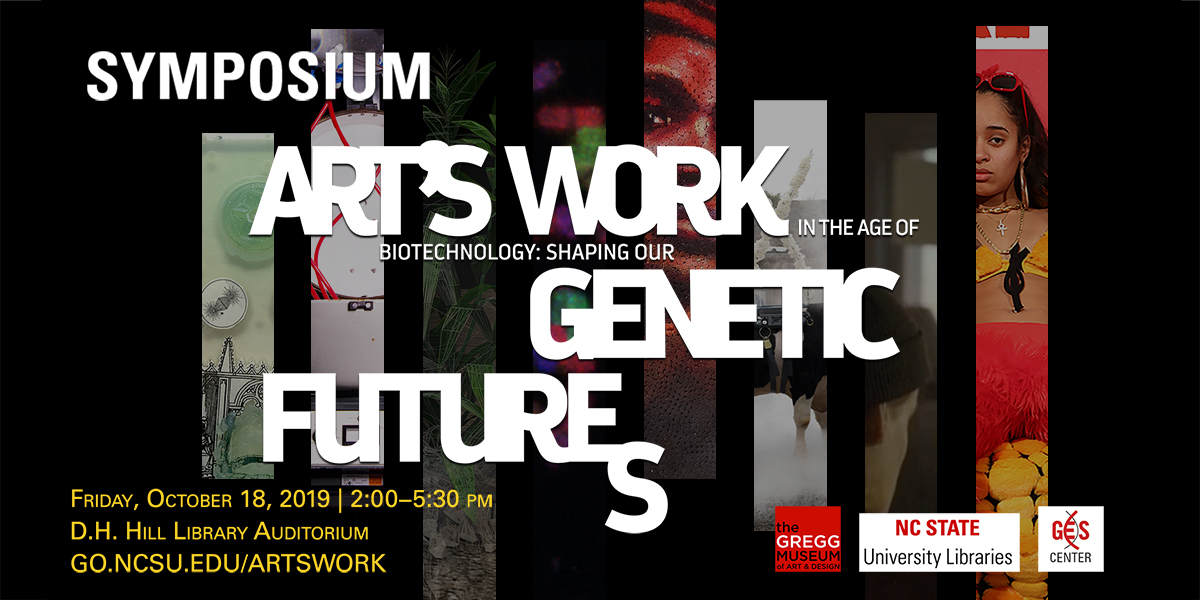
Part of the upcoming multi-site exhibition Art’s Work in the Age of Biotechnology: Shaping Our Genetic Futures, the corn maze From Teosinte to Tomorrow at the NC Museum of Art park will be open through the end of October. Free and open to the public.
Dr. Federico Ciliberto, an economist from of the University of Virginia, will discuss the welfare impacts of genetically engineered (GE) crop varieties of corn and soybeans.
Jonas Monast joins us from the UNC School of Law to discuss the emerging conflicts between biotechnology governance and natural resources management, and explore how existing natural resources laws can inform biotechnology governance challenges.
Join Dr. Fred Gould, University Distinguished Professor of Entomology at NC State, for a discussion of biopunk sci-fi cult classic The Windup Girl. Part of the Art's Work/Genetic Futures exhibition.
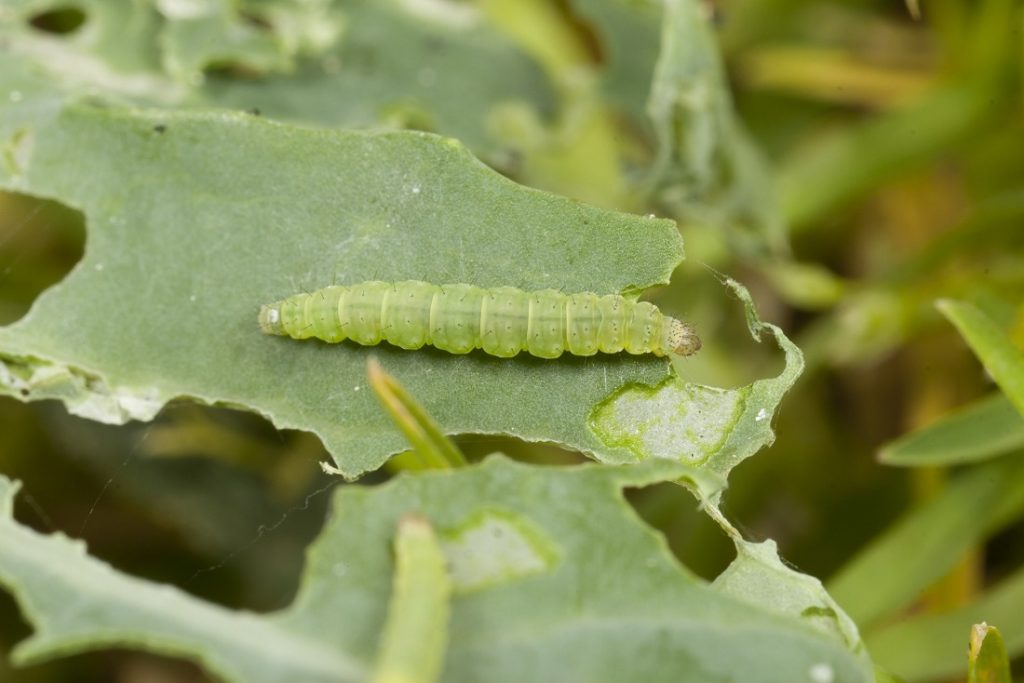
A novel proposed strategy combines the traditional planting of non-insecticidal refuge with releasing GM insects that are Bt-susceptible and have a repressible, female-specific lethal gene.
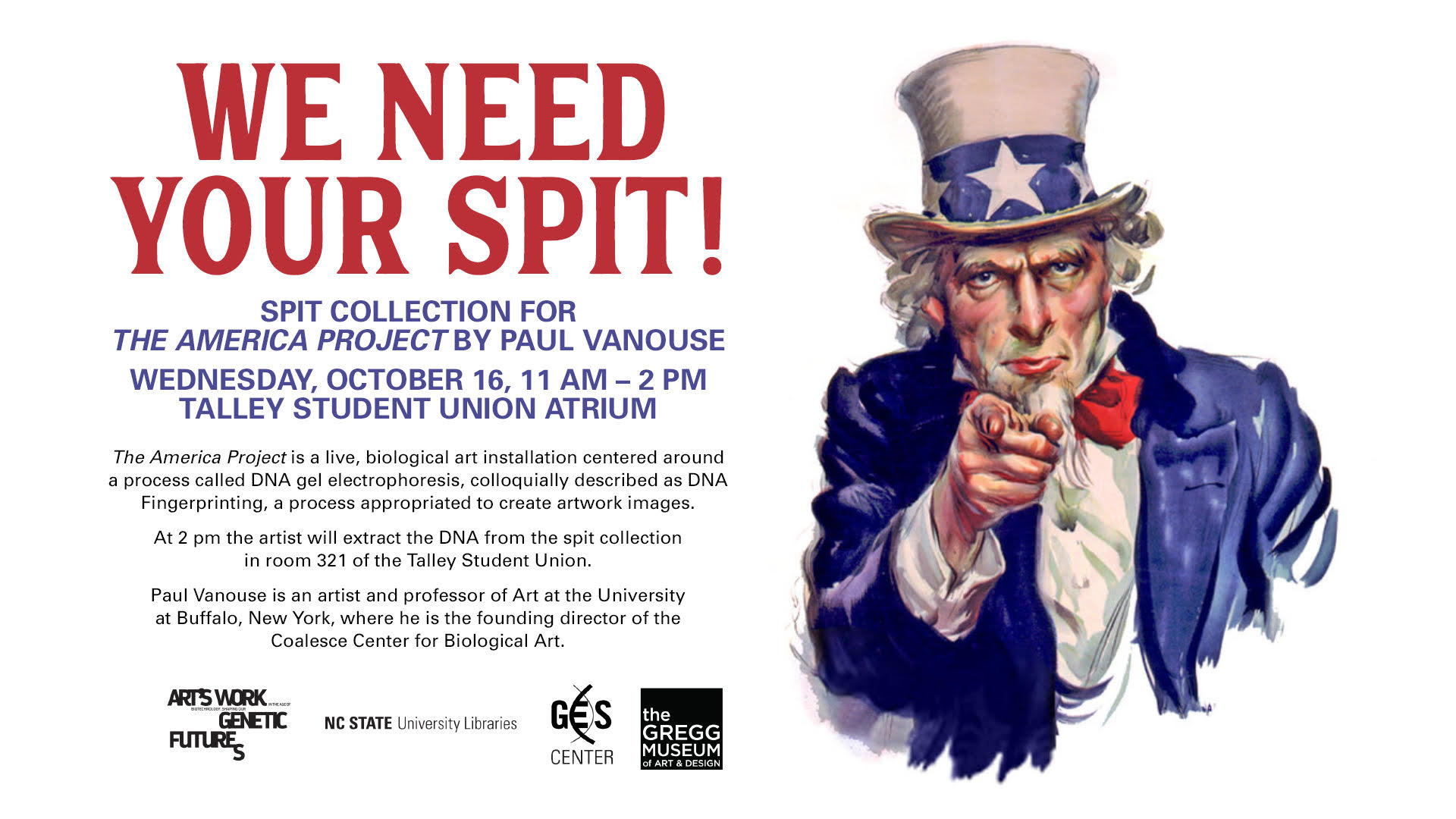
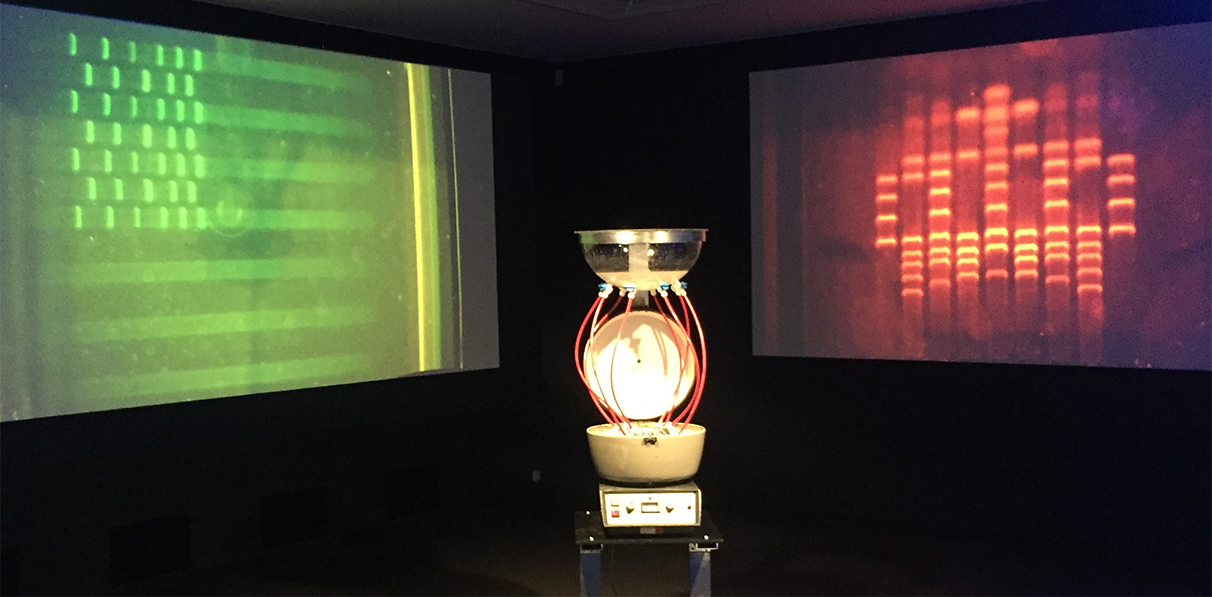
America Project, by Paul Vanouse, is a live, interactive biological art installation whereby the DNA from visitors' donated spit will be extracted, combined and processed to create electrophoresis gel art.
America Project, by Paul Vanouse, is a live, interactive biological art installation whereby the DNA from visitors' donated spit will be extracted, combined and processed to create electrophoresis gel art.
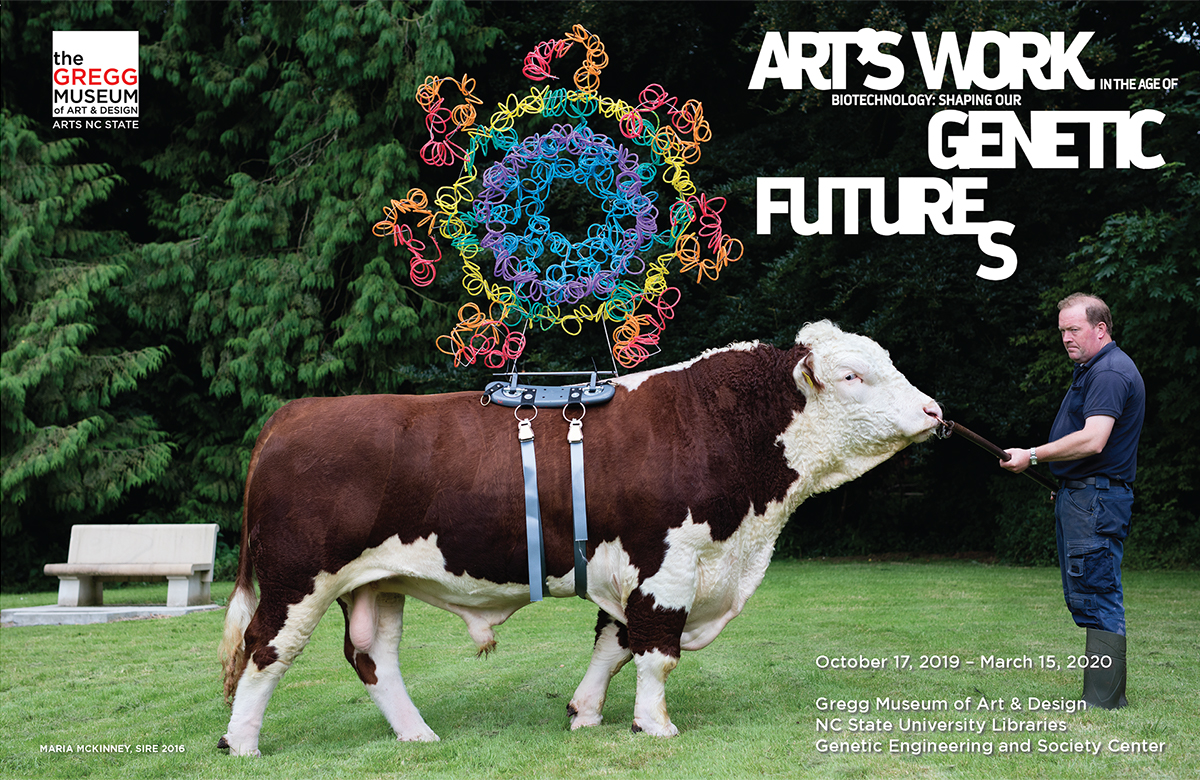
Opening Reception for Art's Work/Genetic Futures, a multi-site art-science exhibit and symposium led by the NC State University libraries and the GES Center, held at the Gregg Museum of Art & Design, with additional exhibits in the physical and digital display spaces of the libraries.
The GES Center, NC State University Libraries, and Gregg Museum of Art & Design will host a symposium to discuss the Art’s Work in the Age of Biotechnology exhibition. The symposium will bring together artists, humanists, and social/natural scientists, using the exhibition as a departure point for conversations about the future of biotechnology and genetics.
North Carolina is one of the most physio-geographically diverse states in the southern U.S, resulting in the majority of the state’s crop production the eastern Coastal Plains. We analyze the dynamics of cropland use intensity here, and are developing tools to improve the precision of environmental assessments of crop production in NC.
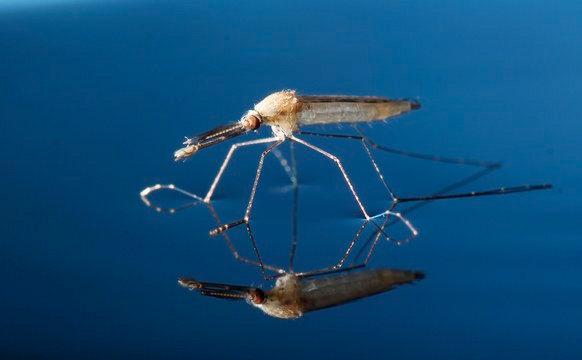
Dengue is estimated to infect 390 million individuals a year worldwide, with around 3.9 billion people at risk of infection. Currently, there are no licensed vaccinations or therapeutic treatments for the disease and control of the vector species through conventional methods has proven inefficient and costly. One possible novel vector control technique to prevent outbreaks relies on infection with the bacterium, Wolbachia.